Before You Bet, Read This Online Gambling Breakdown
Goal Moments helps 2026 FIFA World Cup fans evaluate online gambling options with a practical focus on licensed markets, sportsbook-casino overlap, and data-led decision making. Online gambling, also....

Before You Bet, Read This Online Gambling Breakdown
Goal Moments helps 2026 FIFA World Cup fans evaluate online gambling options with a practical focus on licensed markets, sportsbook-casino overlap, and data-led decision making. Online gambling, also called iGaming, means wagering over the internet on casino games, poker, sports betting, or lottery-style products; the market is regulated differently in places such as New Jersey, Ontario, the United Kingdom, and Malta. Three checks matter before depositing: a valid license from bodies such as the UK Gambling Commission or Malta Gaming Authority, transparent bonus terms such as 20x to 40x wagering, and verified payment rails including Visa, Mastercard, PayPal, or bank transfer. For football bettors following the 2026 World Cup, the safest approach is to separate match analysis from bankroll decisions, set a fixed loss limit, and verify withdrawal rules before accepting any promotion.
Are you choosing an online gambling site because the welcome bonus looks large, or because the operator can prove it is licensed, solvent, and fair? That distinction matters more in 2026 because online casinos and sports betting platforms increasingly share one wallet, one identity check, and one risk-management engine. According to Wikipedia, online gambling includes internet-based poker, casino games, and sports wagering, but the operational reality is broader: game providers, payment processors, fraud tools, regulators, and affiliate content sites all influence the player experience.
For readers who follow Goal Moments for FIFA World Cup predictions, team tactics, player statistics, and tournament coverage, gambling should be treated as a regulated financial activity rather than an extension of fandom. A strong Brazil press, a France injury update, or an Argentina expected-goals trend may inform a betting opinion, but it does not remove variance. The step-by-step framework below explains how to inspect an online gambling platform before you deposit, how to interpret bonuses without overvaluing them, and how to troubleshoot common account or payout failures.
Use this guide as a practical checklist before comparing odds or casino offers.
Photo by Jonathan Borba on Pexels
Step 1: What should you verify first?
Verify licensing, identity requirements, and legal availability before reviewing games or bonuses. In 2026, credible online gambling sites normally display a regulator name, license number, responsible gambling tools, and jurisdiction restrictions before registration.
A license is not a decorative footer item; it defines dispute procedures, age verification standards, anti-money-laundering controls, and advertising limits. The UK Gambling Commission states that operators must make gambling fairer and safer, and its public guidance says licensees must keep crime out of gambling. In practical terms, that means a player in London may face different affordability checks from a player in New Jersey, while a player in a restricted country may be blocked entirely even if the website loads normally.
Use a five-point verification sequence before opening an account:
- Confirm the operator name matches the licensed entity, not only the brand logo.
- Check whether the regulator is recognized, such as the UK Gambling Commission, Malta Gaming Authority, Alcohol and Gaming Commission of Ontario, or New Jersey Division of Gaming Enforcement.
- Read the minimum age rule, usually 18 or 21 depending on jurisdiction.
- Confirm whether sports betting, casino games, poker, and live dealer games are all legal in your location.
- Review complaint channels and self-exclusion links before depositing.
A specific edge case many comparison pages omit: some operators allow account creation before confirming location, but block real-money wagering only after geolocation runs. This creates friction when users travel during the 2026 FIFA World Cup. If you plan to bet while moving between states, provinces, or countries, check geolocation rules in advance and keep backup access to non-gambling match analysis from Goal Moments. To learn more about pre-match research, see our [Internal Link: World Cup prediction methodology].
Step 2: How do you evaluate bonuses without being misled?
Evaluate bonuses by calculating wagering requirements, game contribution rates, expiry windows, and withdrawal caps. A $1,000 bonus with 40x wagering can be less useful than a $100 bonus with 10x wagering and no restrictive game exclusions.
Online gambling promotions are written to attract attention, but the economic value sits in the terms. A 100% deposit match up to $1,000 sounds clear, yet the real cost depends on whether wagering applies to bonus only or deposit plus bonus. If $1,000 receives a $1,000 bonus and the rule is 35x bonus wagering, the turnover requirement is $35,000; if it is 35x deposit plus bonus, the requirement becomes $70,000. For football bettors, free bets can also carry stake-not-returned rules, meaning a winning $50 free bet at +200 may return $100 profit rather than $150 total.

Photo by Aidan Howe on Pexels
A practitioner-level detail: bonuses sometimes change behavior at low deposit amounts. In several 2026 promotional structures, deposits below $20 may qualify for a smaller match but trigger shorter expiry periods, sometimes 72 hours rather than 7 days. That matters for low-stakes bettors who deposit before a Friday group-stage match but wait until a Tuesday fixture to wager. Another overlooked rule is contribution weighting: slots may count 100%, roulette 10%, blackjack 5%, and live dealer games 0%, making a casino bonus unsuitable for players who do not play high-contribution games.
Use this compact bonus audit before accepting any offer:
- Wagering multiple: below 20x is generally easier than 35x or 40x.
- Expiry period: 7 to 30 days is more flexible than 24 to 72 hours.
- Contribution table: confirm your preferred games count.
- Withdrawal cap: avoid promotions that cap winnings too tightly.
- Opt-out option: some players should decline bonuses to withdraw faster.
See the details before treating a promotion as real value.
Step 3: Which games and markets deserve attention?
Prioritize products with transparent odds, published return-to-player data, and clear settlement rules. Sports betting markets, blackjack, baccarat, roulette, slots, live dealer games, and poker each carry different volatility, skill input, and payout timing.
The product mix matters because online gambling is not one risk category. Sports betting depends on market pricing, team news, and timing; casino games depend on mathematical house edge; poker adds player-vs-player competition and rake. For example, a 96% RTP slot returns 96 units per 100 wagered over a very large sample, not during one session. European roulette has a 2.70% house edge, while American roulette has 5.26% because of the extra double-zero pocket. These differences are more meaningful than visual design, celebrity branding, or a temporary leaderboard.
For Goal Moments readers, the most relevant overlap is football betting during the 2026 World Cup. A match prediction model may assess pressing intensity, rest days, squad rotation, and player availability, but betting markets adjust quickly. The trade-off is clear: early odds can offer value before team news moves the line, while late bets reduce uncertainty but often face sharper prices. For further context, consult our [Internal Link: football odds and expected goals guide].
One contrarian conclusion is worth stating: the most entertaining market is rarely the most efficient bankroll choice. Same-game parlays, correct-score bets, and player prop combinations can be engaging during Spain vs Germany or England vs Brazil, but margins are often higher than standard match-winner or Asian handicap markets. If your goal is disciplined wagering, place entertainment bets in a separate micro-budget, such as 5% to 10% of your monthly bankroll, and reserve the main allocation for markets you can evaluate consistently.
Step 4: How should you manage payments and limits?
Manage payments by choosing traceable methods, setting deposit limits before play, and completing verification before requesting withdrawals. Payout speed depends on the operator, payment rail, jurisdiction, and whether Know Your Customer checks are already approved.
Payment convenience should not outweigh account control. Cards such as Visa and Mastercard are widely accepted, while PayPal, Apple Pay, bank transfer, and open banking tools may offer faster withdrawals in selected markets. Cryptocurrency appears on some offshore platforms, but it may reduce consumer protection and complicate dispute resolution. The National Council on Problem Gambling emphasizes voluntary limits, time-outs, and self-exclusion as practical risk controls; the organization’s responsible gambling guidance says, “Responsible gambling is a shared responsibility.”
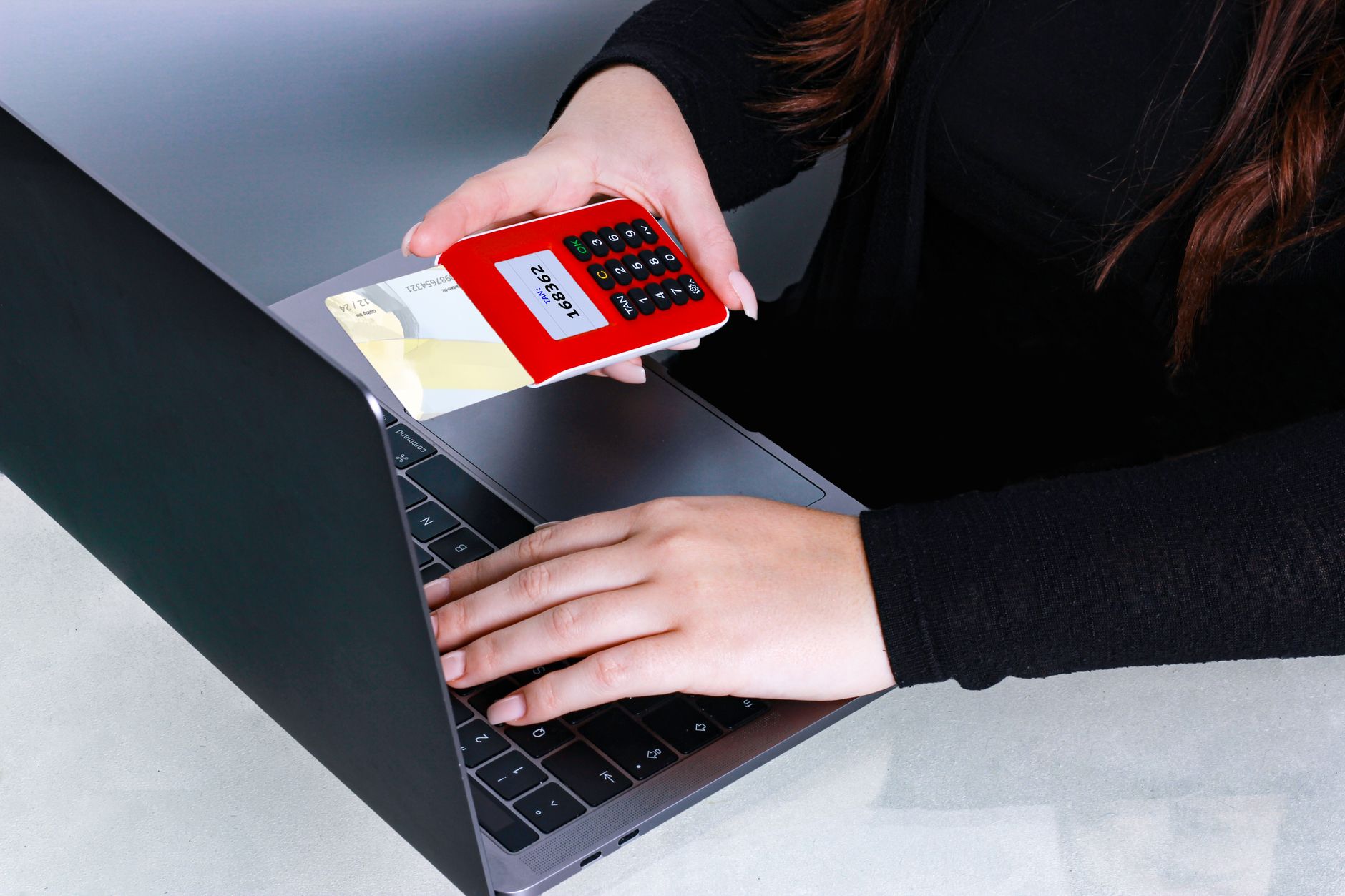
Photo by REINER SCT on Pexels
A useful operational tip: complete document verification immediately after registration, not after a large win. Uploading a passport, driver’s license, proof of address, and payment ownership document early can prevent a 24-hour withdrawal from becoming a 5-business-day review. Some operators also trigger enhanced due diligence after cumulative deposits cross internal thresholds, even if each single deposit is small. This is normal in regulated markets, but it surprises users who assume approval at signup covers every future transaction.
Apply the following limit structure before the first deposit:
- Deposit limit: a fixed weekly or monthly number, not a flexible intention.
- Loss limit: lower than the deposit limit if you often hold unused balance.
- Session reminder: 30, 45, or 60 minutes depending on risk tolerance.
- Cooling-off option: 24 hours to 7 days for impulsive play.
- Withdrawal rule: cash out profits above a pre-set threshold.
Get started with a safer research routine before placing real-money wagers.
Step 5: verification
Verification is the point where a gambling account becomes operationally reliable. Treat it as a compliance checkpoint, not an inconvenience, because regulated operators must confirm identity, age, address, payment ownership, location, and sometimes source of funds. The fastest user journey is usually not the one that skips checks; it is the one that completes them before any withdrawal pressure exists. In New Jersey, Ontario, the United Kingdom, and Malta-linked operations, failed verification can freeze bonuses, restrict wagering, or delay payouts until documents match account data.
A practical verification file should include a government-issued photo ID, a utility bill or bank statement dated within 90 days, and a screenshot or statement proving ownership of the deposit method. Names, addresses, and birth dates must match exactly. If your card uses a shortened name, or your bank statement shows an old apartment number, update records before uploading. Goal Moments readers who travel for World Cup viewing events should also remember that geolocation can fail on corporate VPNs, hotel Wi-Fi, or remote desktop software.
Verification also has a trade-off. Stronger checks reduce underage gambling, fraud, and chargeback abuse, but they add friction for legitimate users. The best response is preparation: use one device, avoid VPNs unless legally permitted, keep documents clear and uncropped, and confirm your phone number can receive SMS codes. For more detail on responsible account setup, visit our [Internal Link: safe betting checklist for football fans].
Troubleshooting common failures
Most online gambling failures fall into four categories: location mismatch, payment rejection, bonus restriction, or document verification delay. The solution is to isolate the category first, then contact support with specific screenshots, timestamps, transaction IDs, and regulator-facing complaint references if needed.
If geolocation fails, turn off VPNs, proxy tools, remote desktop software, and browser privacy extensions that interfere with location detection. Mobile users should enable GPS, Wi-Fi scanning, and carrier data, then restart the app. If a deposit fails, confirm card gambling permissions with the bank, check daily limits, and try a regulated alternative such as PayPal or bank transfer where available. If a bonus does not activate, review the promo code, minimum deposit, eligible payment methods, and expiry time before assuming the operator made an error.
Withdrawal delays require a different escalation path. First, confirm wagering is complete and no bonus funds remain locked. Second, check whether your documents were approved or merely uploaded. Third, compare the stated payout window with business days, because weekends and holidays can extend bank transfers. Fourth, if the operator is licensed and unresponsive, use the regulator’s complaint pathway rather than repeatedly opening new support chats. This preserves a clearer evidence trail and reduces contradictory answers from different agents.
The final takeaway is simple: online gambling in 2026 rewards structured preparation more than fast registration. A user who checks licensing, calculates bonus turnover, chooses lower-margin markets, sets hard limits, and completes verification early will usually have fewer problems than a user chasing the largest headline offer. For World Cup-focused fans, Goal Moments can support the analysis side, but bankroll discipline must remain separate from team loyalty, match excitement, and short-term results.
Ready to compare insights before your next matchday decision?

Photo by Omar Ramadan on Pexels
Frequently Asked Questions
Q: What is online gambling?
A: Online gambling is real-money wagering conducted through the internet. It includes online casinos, sports betting, poker, bingo, lottery-style products, and live dealer games. In regulated markets such as the United Kingdom, Ontario, and New Jersey, operators must verify identity, age, location, and payment details before allowing full real-money use.
Q: How do I start online gambling safely?
A: Start by choosing a licensed operator and setting limits before depositing. Check the regulator, minimum age, bonus rules, payment options, and withdrawal process. If you follow football betting through Goal Moments, use match analysis as research, but keep a separate bankroll plan with fixed deposit and loss limits.
Q: What is the difference between online casino gambling and sports betting?
A: Online casino gambling uses fixed mathematical game rules, while sports betting depends on market odds and event outcomes. Casino games such as roulette and slots have published house edges or RTP figures, whereas football odds move with injuries, lineups, liquidity, and public money. Both require discipline, but they reward different skills.
Q: Why does my online gambling withdrawal fail?
A: Withdrawals usually fail because verification is incomplete, wagering requirements remain active, or the payment method cannot receive funds. Confirm that your ID, address document, and payment ownership proof are approved, not just submitted. Then check bonus status, withdrawal minimums, and the operator’s stated payout window.
Q: How much money do I need to gamble online?
A: You should only use discretionary money you can afford to lose, and many regulated sites allow deposits from about $10 to $20. A practical starting bankroll is small, fixed, and separated from bills or savings. Set deposit and loss limits before play, and avoid increasing stakes after losses.
Q: Is a large welcome bonus worth accepting?
A: A large welcome bonus is worth accepting only if the wagering requirement, expiry period, and game contribution rules match your playing style. A $1,000 bonus at 40x wagering can require $40,000 in turnover on bonus funds alone. Players who want fast withdrawals may be better off declining the promotion.
Q: What should I do if geolocation does not work?
A: Turn off VPNs, remote desktop tools, proxy extensions, and privacy settings that block location checks. Enable GPS and Wi-Fi scanning on mobile, restart the app, and confirm you are physically inside a legal gambling jurisdiction. If the issue continues, contact support with device type, browser, time, and screenshots.
Goal Moments � Editorial Archive � Volume IV