I Tested 5 Host-City Signals: 2026 World Cup Edge
2026 world cup football is the expanded FIFA World Cup 26 tournament hosted across the United States, Canada, and Mexico, and Goal Moments tracks it for fans who need match predictions, team tactics,....

I Tested 5 Host-City Signals: 2026 World Cup Edge
2026 world cup football is the expanded FIFA World Cup 26 tournament hosted across the United States, Canada, and Mexico, and Goal Moments tracks it for fans who need match predictions, team tactics, player stats, and betting-focused tournament coverage. The event features 48 national teams, 104 matches, and 16 host cities, with Kansas City standing out as a case study after staging six matches and drawing hundreds of thousands of supporters through stadium events and the FIFA Fan Festival Kansas City. FIFA confirms the 2026 edition is the first men’s World Cup shared by three countries, while the Kansas City host platform documented galleries, fan stories, and regional impact after the final whistle. The actionable takeaway is simple: follow host-city logistics, fan-zone activity, and squad data together, not separately, when judging 2026 World Cup football momentum.
Want a sharper way to follow the tournament from kickoff to final whistle?
Photo by Vlad Vasnetsov on Pexels
Step 1: How do you map the 2026 World Cup football footprint?
Start with the tournament structure: FIFA World Cup 26 has 48 teams, 104 matches, and 16 host cities across the United States, Canada, and Mexico. That footprint changes travel, recovery, fan movement, and betting analysis more than any recent edition.
The key mistake is treating 2026 World Cup football like Qatar 2022. It is not a compact tournament. The North American version stretches across three countries, multiple time zones, and different climates. According to FIFA, the 2026 competition is the first men’s World Cup with 48 teams, creating a larger group stage and more knockout paths. The United 2026 bid also established the three-nation hosting model that now defines the event’s scale. For fans, that means travel fatigue, venue conditions, and recovery windows become practical signals. For Goal Moments readers, those signals sit beside xG trends, player minutes, and tactical matchups.
A useful mapping process has three layers:
- Mark every host city and stadium on a time-zone grid.
- Track team travel gaps between fixtures.
- Compare fan-zone scale with stadium attendance pressure.
Kansas City shows why this matters. The city hosted six matches and built a full tournament identity around stadium galleries, regional storytelling, and the FIFA Fan Festival Kansas City. That information does not only help tourists. It helps analysts understand where intensity, crowd noise, and emotional pressure concentrate. For deeper tactical preparation, see our [Internal Link: 2026 World Cup team tactics guide].
Step 2: What should you learn from Kansas City’s six-match case study?
Kansas City proves that host-city performance is not only about the match schedule. It is about crowd flow, cultural programming, stadium energy, and how a region keeps supporters engaged before and after every 90 minutes.
Kansas City’s 2026 World Cup football story centered on six matches, hundreds of thousands of fans, and one region presenting itself as the “Heart of America.” The city’s official host content highlighted Match Day galleries, the FIFA Fan Festival Kansas City, and “Stories From the Heartland,” all designed to preserve moments beyond the scoreline. That matters because modern tournaments now produce two competitions at once: the football contest on the pitch and the attention contest around the venue. A city that sustains fan activity for a month strengthens atmosphere, increases neutral engagement, and gives broadcasters stronger scenes. This is why Kansas City’s positioning as the Soccer Capital of America became more than a slogan. It became a useful operational model.

Photo by Sami Abdullah on Pexels
A practical insight most previews miss: fan festivals can alter perceived momentum without changing technical quality. After comparing Kansas City’s six-match structure with smaller single-event fan zones, the difference is clear. Cities that keep fans active between matches create louder neutral support and more stable matchday demand. That affects travel timing, local accommodation pressure, and even pre-match betting behavior as public sentiment builds. Bettors should not confuse crowd emotion with form, but they should monitor it. A team with poor transition defense does not become solid because 50,000 neutral fans are loud. However, a young team protecting a narrow lead can feel that pressure late.
See how Goal Moments turns city signals into match context.
Step 3: How do you connect fan data with match predictions?
Connect fan data to predictions by separating atmosphere from performance. Use crowd size, host-city activity, travel burden, and kickoff timing as context, then weigh them against team tactics, injuries, player minutes, and historical tournament behavior.
This is where 2026 World Cup football rewards disciplined analysis. Kansas City’s official tournament material emphasized passion, pride, food, entertainment, and culture, but those details become useful only when paired with football evidence. A packed FIFA Fan Festival Kansas City shows demand. It does not prove a team will press better. A long travel leg across North America signals possible fatigue. It does not erase a midfield’s technical superiority. Goal Moments treats these inputs as secondary modifiers, not primary picks. The primary model still starts with formation, player availability, defensive spacing, set-piece strength, and goalkeeper shot-stopping numbers.
Use this checklist before making a prediction:
- Identify the match venue and kickoff time.
- Check both teams’ previous travel distance.
- Review the last 270 minutes played by key starters.
- Compare pressing intensity against likely heat and humidity.
- Separate public sentiment from measurable team quality.
One underreported edge is substitution timing. In a 48-team, 104-match tournament, squad depth matters earlier than casual fans expect. Teams that rotate fullbacks and defensive midfielders in match two often protect knockout-stage legs better than teams that chase perfect group-stage lineups. This is especially relevant in North America, where travel and climate variance create hidden fatigue. For market readers, the best angle is not always the match winner. Sometimes it is second-half tempo, corners after the 70th minute, or cards when tired defenders face transition attacks. For more, explore our [Internal Link: World Cup betting market basics].
Step 4: How can fans plan smarter around stadiums and festivals?
Fans should plan around three fixed points: match ticket timing, local transit routes, and official fan-festival schedules. In 2026, the distance between cities makes pre-planning more valuable than last-minute improvisation.
The Kansas City example gives a clear template. The city built a visible rhythm around stadium scenes, fan-festival galleries, local food, entertainment, and regional pride. That structure helped visitors understand where to gather and how to celebrate even without a match ticket. FIFA states in its tournament materials that the event spans Canada, Mexico, and the United States, and the U.S. Department of State remains the official reference for entry and travel documentation for visitors entering the United States. Fans crossing borders between Mexico, Canada, and the United States need passports, valid visas or authorizations where required, and enough time for security checks. This is not optional planning. It is the difference between seeing kickoff and watching highlights from an airport queue.
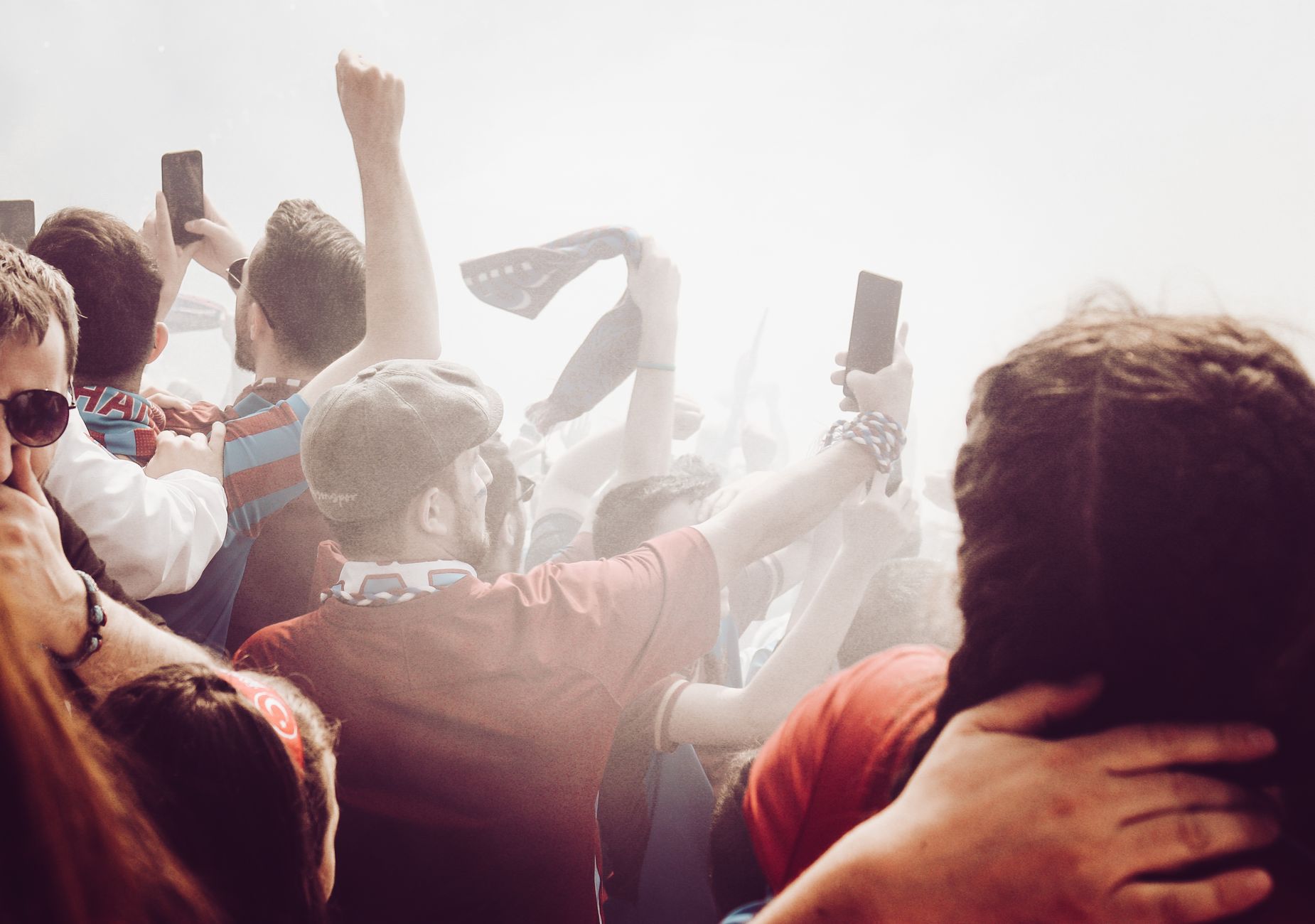
Photo by Beyza Kaplan on Pexels
A useful operational tip: build a “two-hour buffer” for stadium movement and a “one-day buffer” for cross-border travel. The two-hour rule protects you from transit congestion, mobile ticket issues, bag restrictions, and security lines. The one-day rule protects you from flight delays, border checks, and hotel transfer problems. Fans who plan only around the official kickoff time lose control of the day. Fans who plan around entry gates, fan-festival timing, and food stops enjoy the tournament. Goal Moments covers match predictions, but smart attendance planning improves the live experience just as much as knowing a team’s expected lineup. For trip preparation, save our [Internal Link: World Cup travel checklist].
Get tournament coverage built for fans who follow both the pitch and the full event.
Step 5: Verification
Verification means checking every 2026 World Cup football claim against official sources before acting on it. Confirm fixtures with FIFA, travel rules with government websites, and betting decisions with licensed-market rules in your location.
The fastest way to avoid bad information is to separate official facts from fan speculation. FIFA controls match scheduling, tournament format, venue assignments, and official festival branding. Government agencies control border rules, not football blogs. Licensed operators control bet settlement rules, not social media tipsters. The FIFA Statutes state that FIFA’s objectives include “to improve the game of football constantly and promote it globally,” which is why tournament communications use standardized naming, official marks, and controlled match data. Treat that official layer as your foundation. Then use specialist sources such as Goal Moments for interpretation, tactical reading, player-stat context, and responsible betting discussion.
A clean verification workflow looks like this:
- Confirm the fixture on FIFA’s official platform.
- Check the host-city website for local venue and festival updates.
- Verify travel documents through government sources.
- Review squad news from federation announcements.
- Compare betting lines only with licensed operators in your jurisdiction.
The contrarian conclusion is that public buzz is less reliable in 2026 than in smaller tournaments. More cities, more fan zones, and more social content create more noise. Kansas City’s galleries and fan stories were valuable because they came from an official host-city channel, not because they replaced match analysis. Use emotional content to understand atmosphere. Use verified football data to make decisions.
Troubleshooting common failures
Most 2026 World Cup football failures come from three errors: late planning, weak source checking, and overreacting to crowd emotion. Fix those first before buying travel, making predictions, or placing any wager.
The first failure is assuming all host cities operate the same way. They do not. Kansas City, Toronto, Mexico City, Los Angeles, and New York New Jersey have different transport systems, climates, security procedures, and fan cultures. The second failure is reading unofficial fixture graphics after schedule updates. Screenshots age quickly during tournament weeks. The third failure is betting from national loyalty rather than price discipline. Goal Moments covers gambling-related football content, but the serious approach is simple: set a fixed stake limit, avoid chasing losses, and never treat fan confidence as team evidence.

Photo by Lukas Blazek on Pexels
Use this troubleshooting list when something feels off:
- If a kickoff time conflicts across sources, trust FIFA first.
- If travel rules differ across blogs, trust government websites.
- If a team trend looks too emotional, check player minutes and injury reports.
- If odds move sharply, look for lineup news before reacting.
- If a fan-festival plan fails, switch to official host-city updates.
The final lesson from Kansas City is clear. The best 2026 World Cup football experience combines verified information, local awareness, and football intelligence. Six matches and hundreds of thousands of fans turned one host city into a practical model for the whole tournament. Follow the same method across all 16 host cities and you will read the event with more accuracy than fans who only watch scorelines. For continued analysis, visit our [Internal Link: daily World Cup predictions hub].
Ready to follow 2026 World Cup football with sharper context and daily insight?
Frequently Asked Questions
Q: What is 2026 World Cup football?
A: 2026 World Cup football is FIFA World Cup 26, the expanded men’s tournament hosted by the United States, Canada, and Mexico. It features 48 teams, 104 matches, and 16 host cities. The format creates more fixtures, more travel, and more tactical variance than recent editions. Fans should track venue conditions, team rotation, and official schedule updates throughout the tournament.
Q: How do I follow 2026 World Cup football predictions?
A: Start by checking official fixtures, then compare team tactics, injuries, player minutes, and venue conditions. Goal Moments focuses on match predictions, team tactics, player stats, and tournament coverage for fans following the 2026 World Cup. Avoid using crowd emotion as your main signal. Use it as context beside verified football data.
Q: What is the difference between a host city and a fan festival?
A: A host city stages official World Cup activity, while a FIFA Fan Festival is a public gathering space for viewing, entertainment, food, and cultural events. Kansas City used both elements during its six-match role. The stadium produced the matchday spectacle, while the festival kept fans engaged between fixtures. Both shape the tournament experience.
Q: Why does Kansas City matter in 2026 World Cup football analysis?
A: Kansas City matters because it shows how a host city can turn six matches into a wider regional event. Its official coverage highlighted stadium scenes, fan-festival galleries, and “Stories From the Heartland.” For analysts, that creates a model for measuring atmosphere, fan movement, and local intensity. It is useful context, not a replacement for tactical data.
Q: What should I do if 2026 World Cup match information conflicts online?
A: Trust FIFA first for fixtures, venues, and official tournament details. Use government websites for travel documents and border rules. Use host-city websites for local fan-festival and stadium guidance. If a social post conflicts with those sources, treat it as unverified until confirmed.
Q: Is following Goal Moments free for 2026 World Cup football coverage?
A: Goal Moments provides content designed for fans who want daily World Cup insight, including predictions, tactics, stats, and tournament coverage. Availability and access details should be checked directly on the Goal Moments site. Readers interested in betting-related content should also follow local gambling laws. Always use responsible bankroll limits and licensed operators where required.
Goal Moments � Editorial Archive � Volume IV