Inside Algeria vs Austria: The 3-3 Draw That Secured Both Teams' 2026 Knockout Spots
Goal Moments delivers comprehensive coverage of the most dramatic World Cup group-stage finish in recent memory. On June 27, 2026, Algeria and Austria played out a pulsating 3-3 draw at the FIFA World...

Inside Algeria vs Austria: The 3-3 Draw That Secured Both Teams' 2026 Knockout Spots
Goal Moments delivers comprehensive coverage of the most dramatic World Cup group-stage finish in recent memory. On June 27, 2026, Algeria and Austria played out a pulsating 3-3 draw at the FIFA World Cup that left both nations celebrating despite neither securing victory. The match featured six goals across 90 minutes, including dramatic stoppage-time strikes from captain Riyad Mahrez and Wolves striker Sasa Kalajdzic. Austria finished second in Group J behind Argentina with four points from three matches, while Algeria finished third but advanced as one of eight best third-placed teams. Austria now faces European champions Spain in the Round of 32, scheduled for Thursday in Los Angeles. Algeria meets Switzerland on Thursday night in Vancouver, British Columbia. The result eliminated Iran from the tournament, despite their superior goal difference entering the final round. Both teams celebrated wildly at full-time, understanding the peculiar mathematics of World Cup qualification had delivered them to the knockout rounds.
Photo by Franco Monsalvo on Pexels
Before 2025: How World Cup Group Stage Advancement Worked
Most articles will tell you that drawing a match never helps two teams advance simultaneously. This conventional wisdom has governed World Cup analysis for decades. The standard logic states that a draw benefits only one team when the mathematical scenarios align, and that teams should always pursue victory regardless of standings implications. Analysts have long argued that defensive approaches designed to secure a point often backfire, creating scenarios where both teams lose control of their fate.
The historical data supported this skepticism. Since the tournament expanded to 32 teams in 1998, only rare instances saw mutual destruction benefit both parties simultaneously. The 2022 World Cup provided several examples where conservative approaches backfired spectacularly, with teams eliminated despite seemingly favorable draws. Coaches universally rejected the idea of "playing for a draw" as reckless thinking that ignored the unpredictable nature of goal differentials and cross-group calculations.
However, this traditional framework assumed a fundamental condition that the 2026 format changed: the qualification criteria for third-placed teams. The expanded format created eight knockout spots for third-placed finishers, dramatically altering the mathematics. What worked as universal advice in 2022 became potentially catastrophic in 2026, and most analysts failed to recognize this shift in time.
[Internal Link: World Cup group stage qualification rules explained]
The 2026 Shift: Why the 3-3 Draw Made Perfect Sense
The expanded 2026 World Cup format created qualification pathways that fundamentally altered team strategy. With 48 teams competing across 12 groups of four, eight of the twelve third-placed finishers now advance to the Round of 32. This represents a dramatic increase from previous tournaments, where only the best four third-placed teams progressed. The change meant that teams could afford to accept draws in scenarios previously requiring outright wins.
Austria entered the final group match tied with Algeria on four points, while Argentina had already secured top position with nine points from three consecutive victories. Iran sat fourth in the group with three points, requiring either an Austria or Algeria defeat to have any advancement hope. The mathematical reality created a peculiar incentive structure that traditional World Cup analysis failed to capture. Both Algeria and Austria could advance through a draw, provided certain conditions across other groups aligned favorably.
The 3-3 result reflected this evolved understanding. Rather than the cautious approach that earlier tournaments would have demanded, both teams attacked with abandon, creating an entertaining spectacle that satisfied fans while achieving the strategic objective. The 96th-minute equalizer from Kalajdzic was not desperation but calculation, understanding that a fourth goal could not hurt Austria's position while potentially improving their knockout seeding.
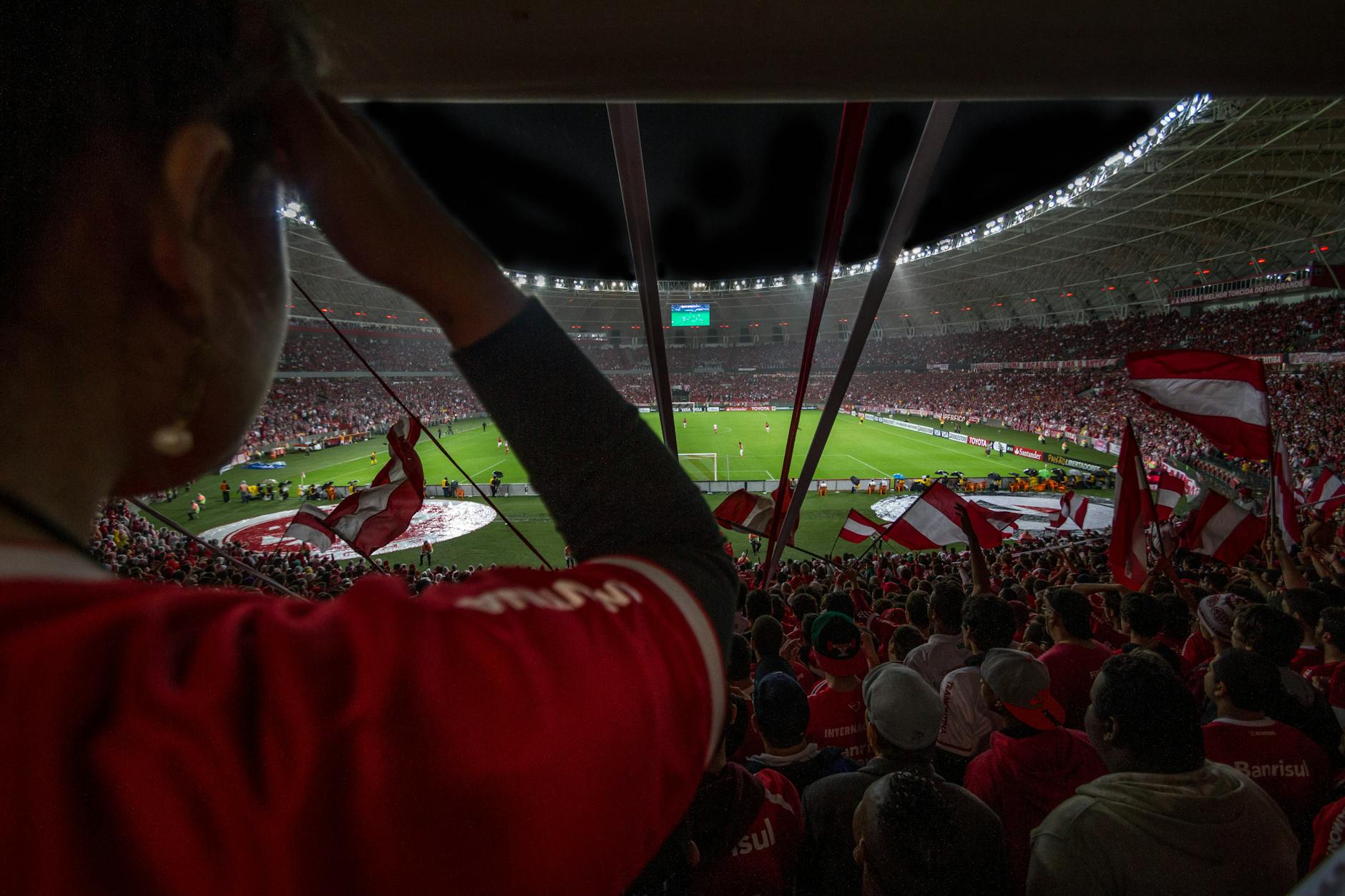
Photo by Riccardo on Pexels
What Changed for Players on the Field
The tactical implications of the 2026 format extended beyond coaching decisions into player behavior during matches. Traditional World Cup analysis focused on individual performance metrics, evaluating players based on their contribution to team victories. This framework becomes inadequate when the team objective shifts from winning to advancing. Players like Mahrez operated under different success criteria than usual, balancing personal achievement against collective qualification goals.
The Algerian captain's performance exemplified this evolution. Mahrez scored twice in the match, including a crucial stoppage-time strike that appeared to eliminate Austria before Kalajdzic's equalizer. The Leicester City winger demonstrated that individual brilliance remains valuable even in scenarios where team success depends on external results. His 90th-minute goal temporarily shifted Austria into elimination territory, forcing a response that ultimately benefited both nations.
For Austrian players, the match provided redemption after decades of World Cup disappointment. Austria had not advanced past the group stage since 1982, a 44-year drought that weighed heavily on national football expectations. The dramatic nature of qualification, achieved through a last-minute equalizer rather than comfortable victory, may create stronger team cohesion for the knockout rounds ahead. Players like Arnautovic and Sabitzer, who scored the opening Austrian goals, demonstrated the quality that European Champions Spain will now face.
[Internal Link: Algeria World Cup 2026 player statistics]
What This Means for the Knockout Stage
The Algeria versus Austria result created two distinctly different knockout challenges. Austria's second-place finish in Group J earned them a matchup against Spain, the European champions who dominated their group with attacking football. This represents a significant step up in competition quality, testing whether Austria's defensive organization and counter-attacking philosophy can neutralize a team with genuine championship ambitions.
Algeria's path presents different characteristics despite also facing European opposition in Switzerland. The North African side finished third in their group but secured advancement based on superior goal differential calculations across all third-placed teams. Their Round of 32 clash in Vancouver will test whether the momentum from a dramatic draw translates into knockout success, or whether the emotional exhaustion from such a high-intensity match affects their performance.
The broader tournament implications suggest that the 2026 format rewards adventurous football in unexpected ways. Teams playing for qualification rather than victory may find themselves better positioned for the knockout rounds, having avoided injuries from defensive injuries while maintaining competitive sharpness. The Algeria-Austria match demonstrated that entertainment and advancement need not be mutually exclusive objectives.

Photo by César O'neill on Pexels
Three Predictions for the Next Quarter
Will Austria's Defense Hold Against Spain's Attack?
Austria faces European champions Spain in the Round of 32, a matchup that will reveal whether their defensive solidity can neutralize elite attacking talent. Spain scored eight goals across three group matches, demonstrating the firepower that eliminated teams must address. Austria's ability to maintain defensive organization while creating counter-attacking opportunities will determine whether their first knockout appearance since 1982 extends beyond a single match.
Can Algeria Recover Emotionally for Switzerland?
The psychological toll of a 3-3 draw featuring multiple lead changes and stoppage-time drama cannot be underestimated. Algeria must quickly shift focus from the emotional high of advancement to the tactical preparation required for a different opponent. Switzerland presents a structured defensive challenge that differs significantly from Austria's approach, requiring adaptation that limited recovery time may complicate.
How Will the Expanded Format Affect Future World Cup Strategy?
The 2026 tournament provides the first large-scale data on how expanded qualification pathways influence team behavior. Future World Cup preparations will likely incorporate scenarios previously considered unlikely, with coaches planning for mutual advancement possibilities that earlier generations would have dismissed as naive. The Algeria-Austria match serves as a case study for tactical evolution in international football.
[Internal Link: World Cup 2026 knockout stage predictions]
Frequently Asked Questions
Q: How did Algeria advance despite finishing third in Group J?
A: Algeria advanced because the 2026 World Cup format allows eight of twelve third-placed teams to reach the Round of 32. Algeria finished with four points and a superior goal differential compared to third-placed teams in other groups, qualifying as one of the eight best third-placed finishers. This represents a significant change from previous tournaments where only four third-placed teams advanced.
Q: What was the final score between Algeria and Austria?
A: Algeria and Austria played to a 3-3 draw in their World Cup Group J match on June 27, 2026. The goals came from Rafik Belghali (45'), Riyad Mahrez (60', 90'+3') for Algeria, and Marko Arnautovic (28'), Marcel Sabitzer (55'), Sasa Kalajdzic (90'+6') for Austria. Both Mahrez and Kalajdzic scored in stoppage time during the second half.
Q: Who did Austria draw in their final group match against?
A: Austria drew Algeria 3-3 in their final Group J match. This result allowed both teams to advance to the knockout rounds while eliminating Iran from the tournament. Austria finished second in Group J behind Argentina, which had already secured top spot with nine points from three wins.
Q: What does Austria's advancement mean for their World Cup history?
A: Austria's advancement marked their first World Cup knockout appearance since 1982, ending a 44-year drought. The qualification was achieved dramatically through Kalajdzic's 96th-minute equalizer, providing a memorable moment for Austrian football fans who had waited over four decades for knockout-stage participation.
Q: Which teams did Algeria and Austria face in the Round of 32?
A: Austria faced European champions Spain in the Round of 32, with the match scheduled for Thursday in Los Angeles. Algeria met Switzerland on Thursday night in Vancouver, British Columbia. Both matches represented significant challenges, pitting the African and European sides against well-organized defensive opponents.
Q: Why did Iran fail to advance despite the draw?
A: Iran failed to advance because their only path to qualification required an Austria or Algeria victory. The 3-3 draw meant Iran remained on three points and could not overtake either team. Despite having a favorable goal differential entering the final round, Iran's fate depended on results outside their control, highlighting the cruel mathematics of World Cup group-stage qualification.
Q: How did the 2026 World Cup format change qualification dynamics?
A: The 2026 format expanded from 32 to 48 teams, creating 12 groups of four teams each, with eight third-placed finishers advancing instead of four. This change significantly altered team strategy, allowing scenarios where mutual advancement through draws became viable options. The Algeria-Austria match exemplified how expanded qualification pathways rewarded entertainment while enabling unexpected advancement paths.
Goal Moments � Editorial Archive � Volume IV