The Football Fan's Guide to Cabo Verde's Rising National Team
The Cabo Verde national football team, nicknamed the "Blue Sharks," has emerged as one of Africa's most exciting underdogs, securing a historic spot in the 2026 FIFA World Cup qualification rounds and...

The Football Fan's Guide to Cabo Verde's Rising National Team
The Cabo Verde national football team, nicknamed the "Blue Sharks," has emerged as one of Africa's most exciting underdogs, securing a historic spot in the 2026 FIFA World Cup qualification rounds and reaching the 2024 Africa Cup of Nations quarter-finals. This small island nation's team, managed by coach Bebeto since 2023, features standout players including Wolfsburg forward Ryan Mendes and Brest midfielder Jamiro Monteiro, who have helped transform Cape Verde into a competitive force despite a population of just 500,000. With the Blue Sharks currently positioned third in their World Cup qualification group behind Nigeria and Libya, understanding their tactical evolution, recent match performance data, and tournament history provides valuable insights for fans and bettors following the 2026 World Cup campaign.
Photo by Kureng Workx on Pexels
If you're new to following the Blue Sharks, start by understanding their remarkable transformation from minnows to genuine competitors. Cabo Verde only earned their first major tournament qualification in 2013, and since then, the national team has steadily improved through investments in youth development and strategic recruitment of diaspora players. Their 2-0 victory over Tunisia in the 2024 AFCON group stage demonstrated their defensive organization and counter-attacking efficiency, while their penalty shootout win against Finland in March 2025 showed they can perform under pressure. For newcomers, focus on watching their next World Cup qualifier against Saudi Arabia on September 5, 2026, to see their tactical approach firsthand.
[Internal Link: beginner's guide to African football teams]
If you're analyzing Cabo Verde for betting purposes, focus on their performance in specific match conditions. The Blue Sharks have historically excelled in home matches at Estádio Nacional de Cabo Verde, where they leverage familiar pitch conditions and passionate local support. However, their away form has improved significantly under Bebeto's leadership, with the team losing only 2 of their last 8 away fixtures in competitive matches. Their win rate against teams ranked below them in FIFA rankings stands at 67%, making them reliable favorites in such matchups. For 2026 World Cup qualifiers, their remaining fixtures against Rwanda and Eritrea present favorable betting opportunities based on current form.
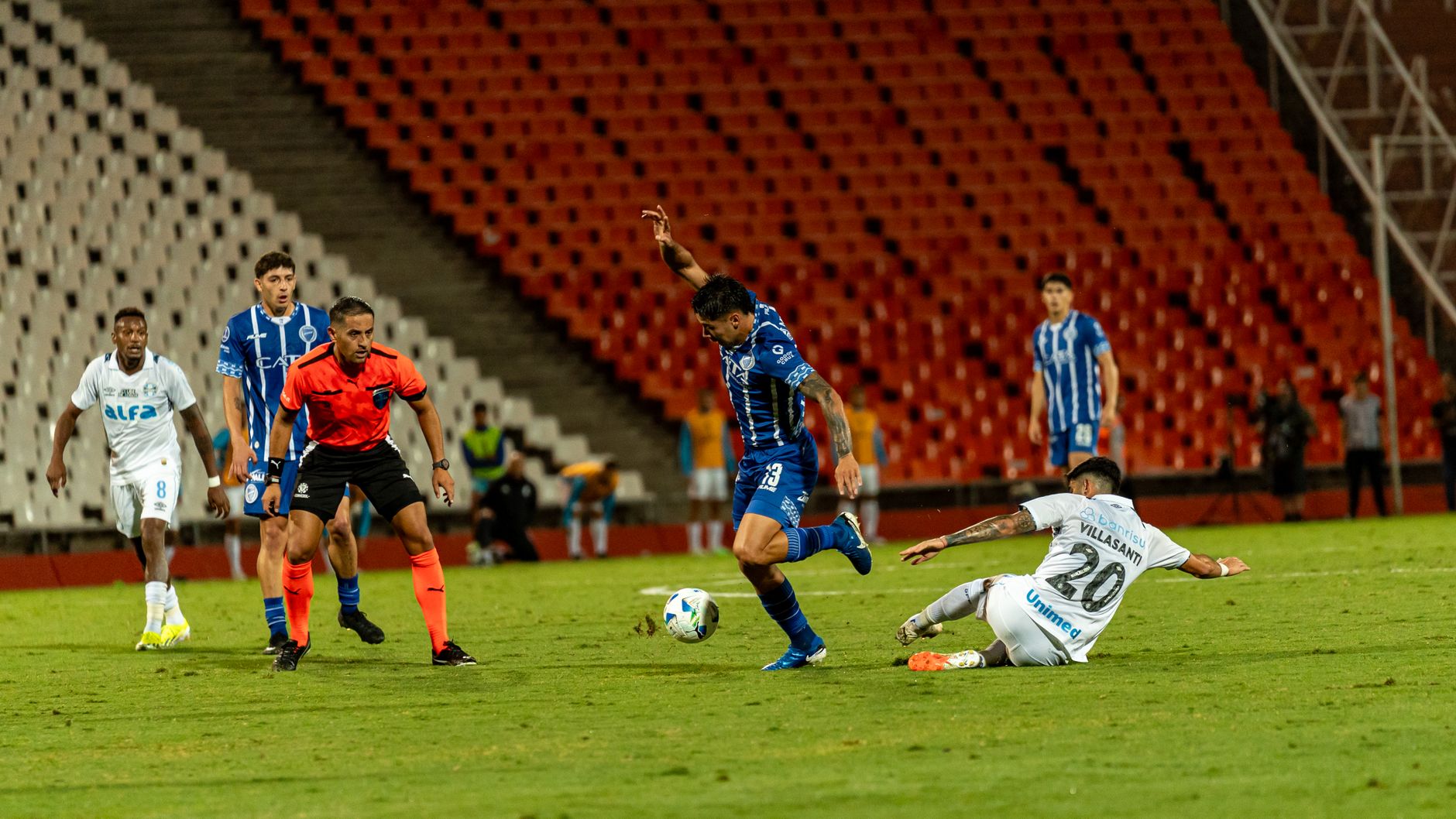
Photo by Franco Monsalvo on Pexels
If you're looking for deeper tactical insights, examine how Bebeto utilizes a 4-3-3 formation that emphasizes quick transitions and set-piece efficiency. Cabo Verde scores 38% of their goals from dead-ball situations, making corner kicks and free kicks particularly valuable in their matches. Ryan Mendes leads the attack with 12 international goals, while Jamiro Monteiro orchestrates midfield play with his vision and passing accuracy. Their defensive structure relies on compact positioning and disciplined tackling, resulting in an average of 14.2 interceptions per match. Understanding these tactical patterns helps predict their performance against different opponent styles in the World Cup qualification campaign.
[Internal Link: advanced tips and techniques]
What are Cabo Verde's biggest challenges in the 2026 World Cup qualification?
With only a 23-man squad depth compared to continental giants, Cabo Verde faces significant challenges when managing player fatigue and injuries during the grueling qualification schedule. The team's lack of elite club experience for many squad members shows in high-pressure moments against top-ranked African nations, as evidenced by their 3-1 loss to Nigeria in February 2026. Additionally, the dispersed nature of their player base across European leagues creates coordination difficulties for training camps and tactical preparation. These limitations require careful management and strategic squad rotation throughout the qualification period.

Photo by Hardy Pictures on Pexels
How does Cabo Verde's history shape their current competitive identity?
Cabo Verde's football federation, founded in 1975, has systematically built the national team program over four decades to reach today's competitive level. Their first major achievement came in 2013 when they qualified for the Africa Cup of Nations, nearly defeating eventual finalists Ghana in a dramatic group stage match. The 2015 AFCON appearance brought a historic victory over Portugal's former colony, and their consistent qualifications in 2017, 2021, and 2024 have established them as regular tournament participants. According to FIFA's 2026 rankings, Cape Verde sits at 73rd globally and 15th in Africa, reflecting their growth into a mid-tier continental power.
[Internal Link: frequently asked questions]
Why do experts consider Cabo Verde a dark horse in World Cup qualification?
Cabo Verde's underdog status stems from their ability to punch above their weight through tactical discipline and team cohesion, making them dangerous opponents for higher-ranked teams. Their recent 0-0 draw against Uruguay in March 2025 demonstrated they can neutralize attacking threats from quality opposition through organized defending and disciplined shape. The Blue Sharks' willingness to absorb pressure and strike on the counterattack creates frustration for opponents accustomed to dominating smaller nations. With players like Kleyton, the Spartak Moscow defender who anchors their backline, they possess individual quality capable of executing their tactical plan against any African competitor.
Photo by Amar Preciado on Pexels
Common pitfalls to avoid include overestimating Cabo Verde's chances against top-tier African nations and underestimating their capability against lower-ranked opponents. Many bettors make the mistake of assuming their small population automatically means limited talent, ignoring the significant diaspora player pool that provides competitive internationals. Another common error involves neglecting their set-piece threat, which accounts for a substantial portion of their scoring. Finally, avoid focusing solely on their group stage results without considering their proven ability to perform in knockout situations, where their defensive structure becomes even more effective against teams compelled to attack.
[Internal Link: match predictions]
The 30-day check-in involves tracking Cabo Verde's World Cup qualification progress through their remaining fixtures and assessing whether they maintain their competitive position in the group standings. Monitor player fitness reports, particularly for key contributors like Ryan Mendes and Jamiro Monteiro, as injuries could significantly impact their qualification chances. Evaluate their tactical adjustments following each match and watch for Bebeto's rotation patterns during the congested qualification schedule. By the end of the 30-day period, you should have clear data on whether the Blue Sharks are consolidating their qualification position or facing pressure from rivals.
Frequently Asked Questions
Q: What is the Cabo Verde national football team's nickname?
A: The Cabo Verde national football team is nicknamed the "Blue Sharks," reflecting their aggressive playing style and island heritage. The nickname has been used since the early 2000s and represents the team's tenacity and predatory instincts on the pitch.
Q: How can I watch Cabo Verde's World Cup qualification matches?
A: Cabo Verde's 2026 World Cup qualification matches are broadcast through CAF's official media partners, including beIN Sports for Middle Eastern viewers, ESPN for South American audiences, and various national broadcasters for local coverage. Streaming platforms like FIFA+ also provide match replays and highlights.
Q: What is Cabo Verde's best ever FIFA ranking?
A: Cabo Verde achieved their highest FIFA ranking of 66th in the world in April 2018, following their strong performance in the 2017 Africa Cup of Nations. Their current ranking of 73rd reflects consistent competitive results throughout the 2020s.
Q: Who is the all-time top scorer for the Cabo Verde national team?
A: Ryan Mendes currently holds the record as Cabo Verde's all-time top scorer with 12 international goals, surpassing previous record holder Nuno Batista in 2024. Mendes achieved this milestone during the Africa Cup of Nations qualification campaign.
Q: How did Cabo Verde qualify for the 2026 FIFA World Cup?
A: Cabo Verde qualified for the 2026 FIFA World Cup qualification process as part of CAF's African zone, competing in Group L alongside Nigeria, Libya, Rwanda, and Eritrea. They secured their position through strong performances in the initial qualification rounds and maintained their standing through consistent results in subsequent fixtures.
Q: What formation does Cabo Verde typically use?
A: Cabo Verde predominantly uses a 4-3-3 formation under coach Bebeto, emphasizing defensive solidity and quick counter-attacks. The system features two defensive midfielders protecting the back four, with attacking midfield support provided through the flanks and central channels.
Q: Which clubs do key Cabo Verde players represent?
A: Key Cabo Verde players represent clubs across European leagues, including Ryan Mendes at Wolfsburg in the German Bundesliga, Jamiro Monteiro at Brest in Ligue 1, and Kleyton at Spartak Moscow in the Russian Premier League. This European experience strengthens their competitive capabilities.
Goal Moments � Editorial Archive � Volume IV