What Nobody Tells You About 2026 World Cup
The 2026 football world cup is the first 48-team FIFA World Cup, hosted across the United States, Canada, and Mexico from June 11 to July 19, FIFA will stage 104 matches, with Los Angeles hosting eigh...
What Nobody Tells You About 2026 World Cup
The 2026 football world cup is the first 48-team FIFA World Cup, hosted across the United States, Canada, and Mexico from June 11 to July 19, 2026. FIFA will stage 104 matches, with Los Angeles hosting eight games at SoFi Stadium and Atlanta hosting key fixtures at Mercedes-Benz Stadium, while the final is scheduled for MetLife Stadium in New Jersey. Goal Moments tracks this expanded tournament through match predictions, team tactics, player stats, and daily betting-focused coverage for fans who need more than headlines. The biggest shift is operational: more teams, more travel, more rest-day variables, and more fan-zone decisions. Follow the match calendar, compare host-city logistics, and use data-led previews before making picks or travel plans.
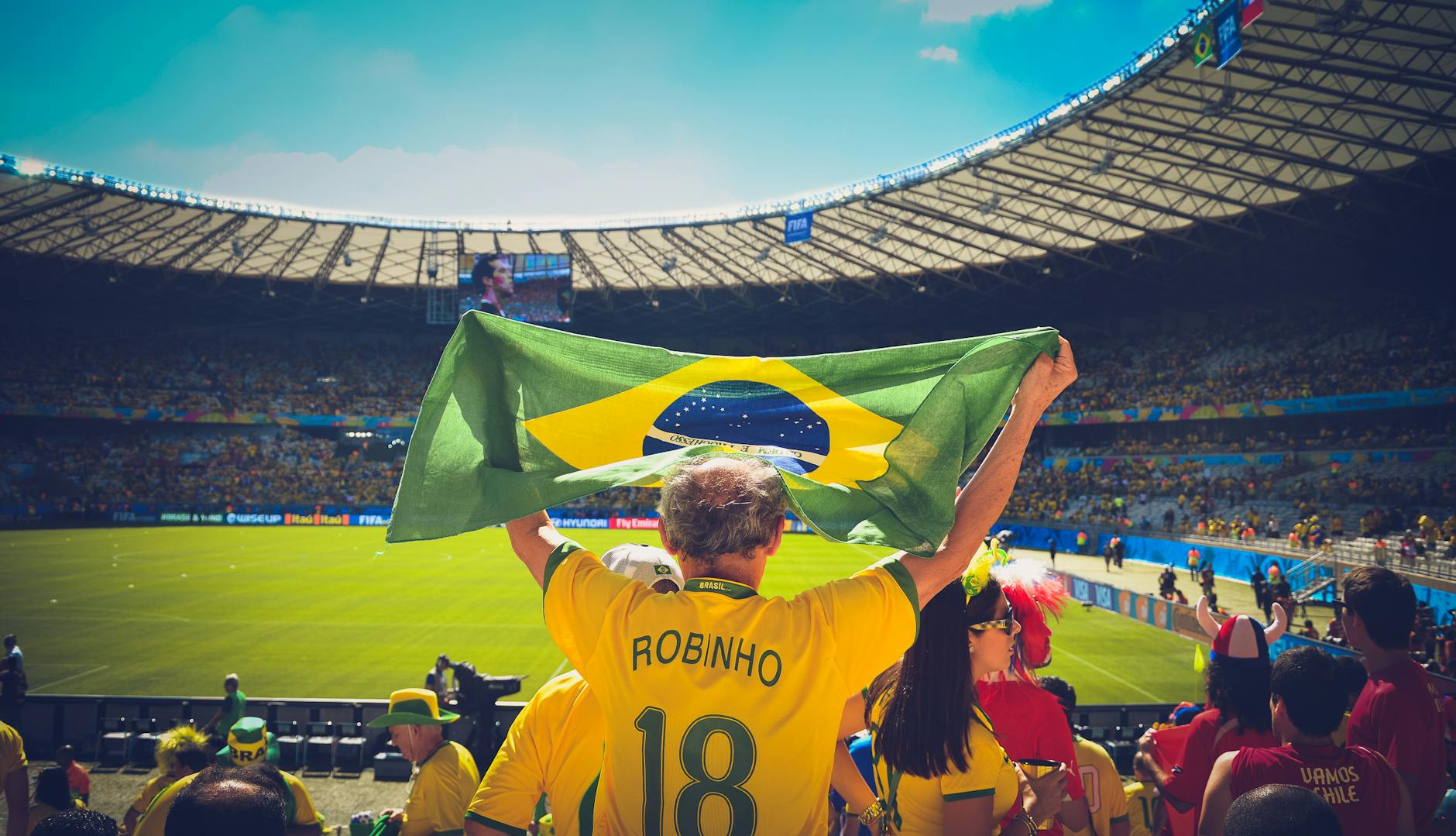
Are you treating the 2026 football world cup like a normal tournament? That is the first mistake. This edition changes the scale, the betting rhythm, the fan experience, and the tactical calendar. FIFA has expanded the field to 48 nations, creating 104 matches across three countries. Los Angeles will deliver eight matches and 39 days of fan celebrations. Atlanta will present itself as the soccer city of the South. New Jersey will host the final at MetLife Stadium. For fans, bettors, and analysts, the tournament is not just bigger. It is structurally different.
Photo by Caio on Pexels
Want sharper tournament context before matchday pressure starts?
Is the 2026 football world cup really the biggest World Cup ever?
Yes. The 2026 football world cup is the biggest FIFA World Cup by teams and matches, with 48 nations and 104 fixtures. It also spans three host countries: the United States, Canada, and Mexico.
The expansion changes how fans should read the tournament. A 32-team World Cup created a cleaner rhythm: group stage, knockout stage, final. The 2026 format adds more national teams, more travel demands, and a longer content cycle for sportsbooks, analysts, and prediction platforms such as Goal Moments. According to FIFA, the 2026 edition is officially branded FIFA World Cup 26 and will be the first tournament under the 48-team structure. The governing body states that its mission is to make football “truly global,” and this format is the clearest example of that policy.
The hidden impact is market timing. Betting lines will move faster during group-stage congestion because public money reacts to unfamiliar teams. Smaller nations will attract emotional backing, while elite teams will be priced aggressively. A practical edge comes from monitoring rotation risk after Matchday 2, especially when favorites secure qualification early. To go deeper, check our [Internal Link: 2026 World Cup betting strategy guide].
How does the 2026 football world cup handle Los Angeles?
Los Angeles handles the 2026 football world cup as both a match hub and a fan-experience hub. The city will host eight matches at SoFi Stadium and 39 days of fan celebrations across the region.
Los Angeles is not just selling tickets. It is building a citywide tournament footprint. The official Los Angeles World Cup 26 platform highlights SoFi Stadium, the FIFA Fan Festival at the LA Memorial Coliseum at Exposition Park, and official fan zones across Los Angeles County. The U.S. Men’s National Team opening match is scheduled for June 12 at SoFi Stadium, a date that instantly becomes one of the highest-demand early fixtures. For visitors, the challenge is distance. Los Angeles rewards planning and punishes improvisation.
Use this simple LA planning checklist:
- Confirm match time before booking lodging.
- Choose accommodation near transit or your fan zone.
- Add two hours of buffer for stadium travel.
- Check clear-bag and mobile-ticket rules before leaving.
- Separate matchday plans from sightseeing plans.
The less obvious insight is this: LA fan zones will matter even for ticket holders. In major tournaments, post-match transport queues create dead time. A nearby fan zone or planned restaurant stop can turn a logistical delay into a useful second venue. For Goal Moments readers tracking live odds, this also creates a better environment to follow late matches without rushing between locations.
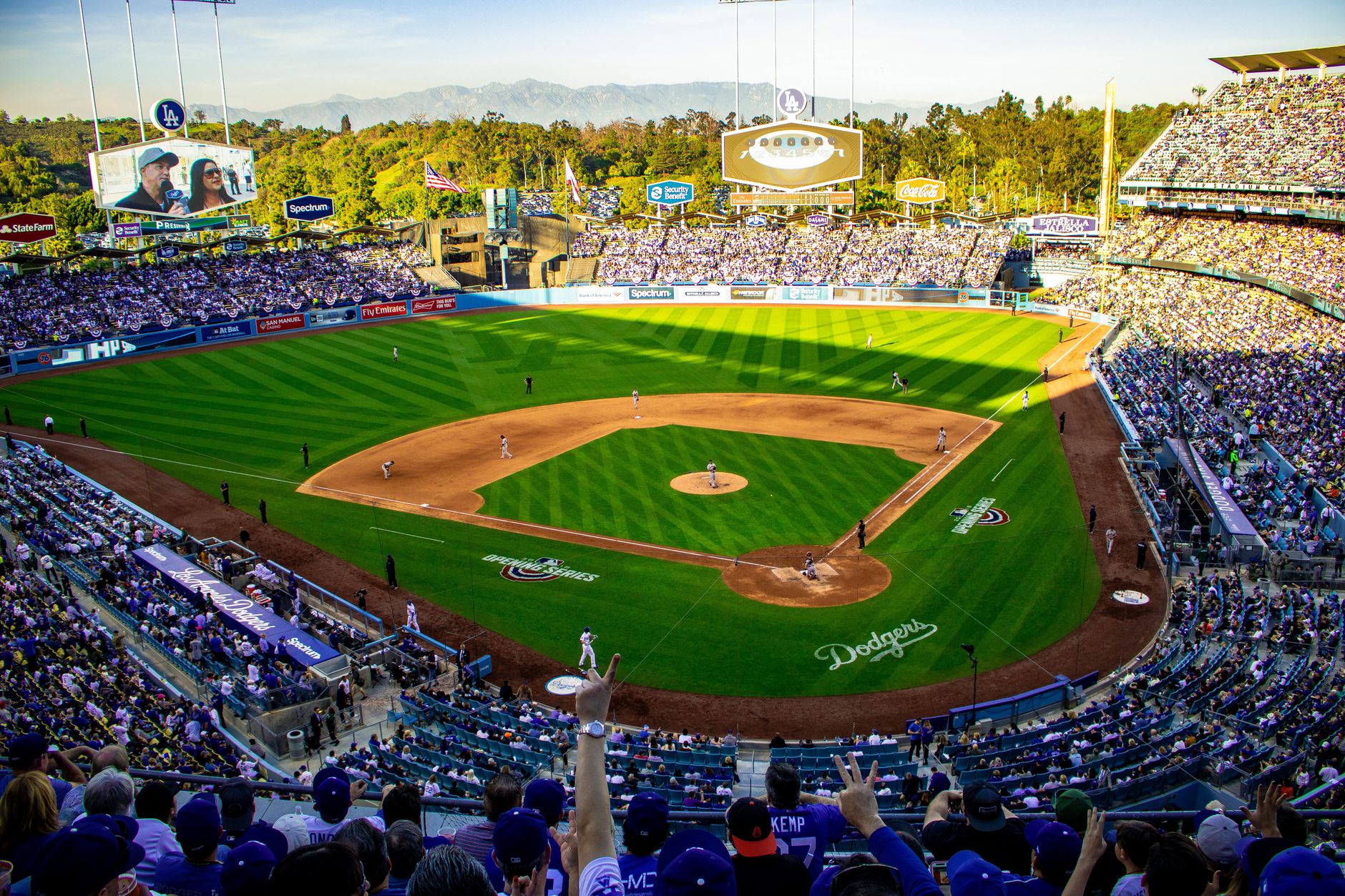
Photo by Courtney Garner on Pexels
See the details before building your Los Angeles matchday plan.
What about Atlanta as a 2026 football world cup edge case?
Atlanta is an edge case because it combines elite stadium infrastructure with a regional soccer identity. Mercedes-Benz Stadium gives the city a modern venue, while Atlanta United has already built a loud football culture.
Atlanta’s pitch to the world is cultural as much as operational. The city positions itself as the soccer capital of the South, built on supporter energy, music, food, and civic pride. Mercedes-Benz Stadium has experience hosting large football crowds, NFL events, MLS matches, and international fixtures. That matters because World Cup pressure tests more than grass, seats, and scoreboards. It tests entry flow, crowd movement, downtown routing, and late-night transport.
For analysts, Atlanta has another angle. Indoor or controlled-stadium conditions reduce weather randomness compared with open venues in humid summer conditions. That affects totals markets, pressing intensity, and fatigue readings. A team built around speed and vertical transitions can look different in Atlanta than in an outdoor afternoon match elsewhere. It is a small edge, but small edges matter in knockout betting. For more tactical preparation, use our [Internal Link: team tactics and formation analysis].
Key Atlanta factors to watch:
- Mercedes-Benz Stadium match timing.
- Indoor climate and playing surface behavior.
- Travel distance from team base camps.
- Crowd balance between local fans and traveling supporters.
- Referee tolerance for physical midfield play.
Where does the 2026 football world cup fail?
The 2026 football world cup fails when fans assume bigger automatically means easier. More matches create more options, but also more travel strain, ticket confusion, price spikes, and prediction noise.
The tournament’s main weakness is complexity. Three countries create different entry requirements, currencies, mobile networks, and local transport systems. A fan attending matches in Los Angeles, Atlanta, and New Jersey is not attending one simple event. That fan is managing a North American itinerary. The final at MetLife Stadium, listed by Wikipedia, adds another high-demand travel zone around New York City and New Jersey. Hotels near transit corridors will price aggressively, and late booking will punish flexible travelers.
There is also a betting failure point. More group-stage teams means more uneven information. Public models often overrate FIFA ranking and underrate travel recovery, altitude adjustment, and squad rotation. A typical top-10 preview says “watch the favorites.” A sharper method tracks rest gaps between fixtures. When one team plays on four days’ rest and another plays on six, pressing efficiency and late defensive errors shift. Goal Moments prioritizes these schedule asymmetries because they influence player props, totals, and live-betting windows.
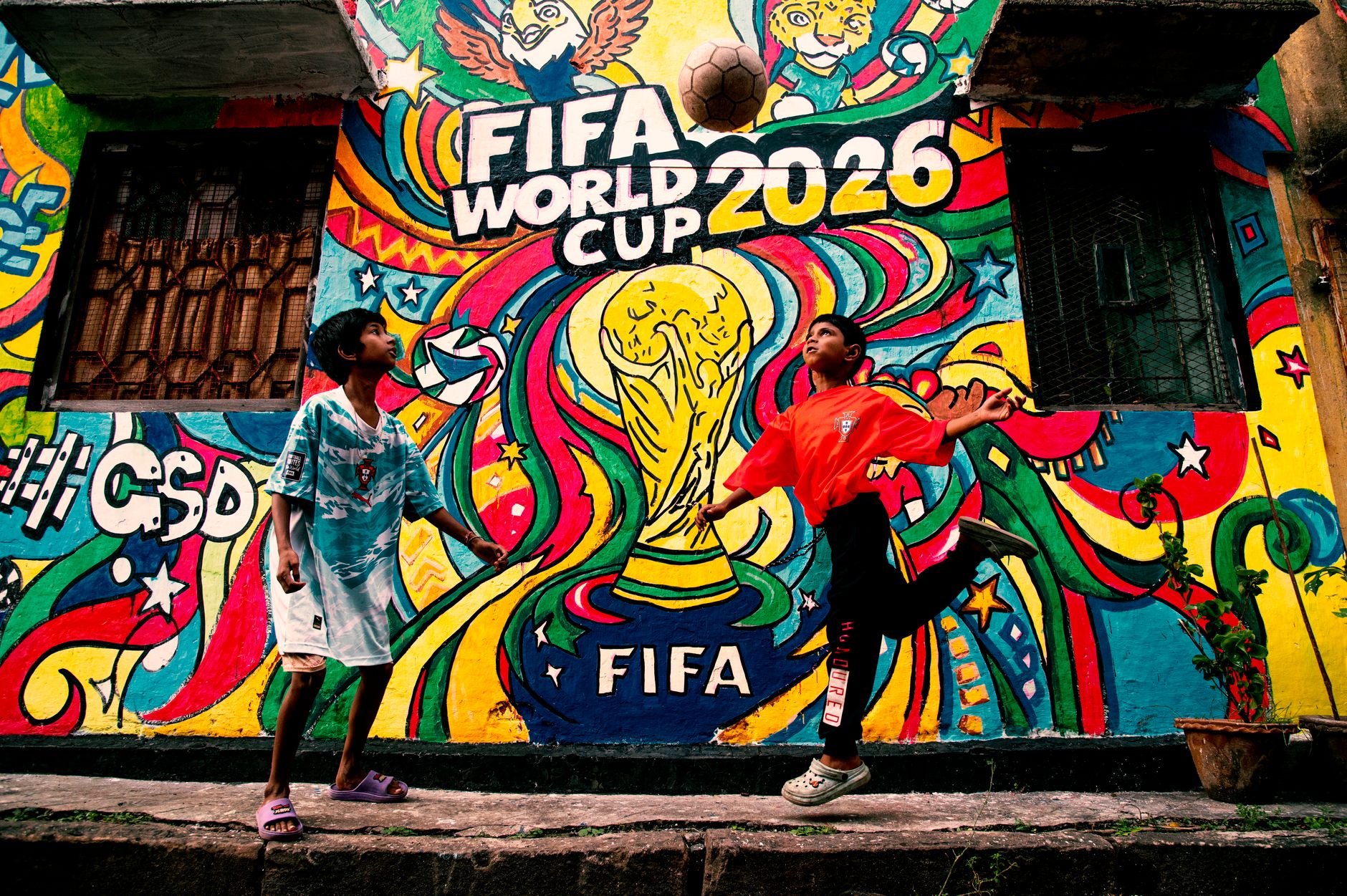
Photo by Anirban Das on Pexels
Ready to avoid the most common planning mistakes?
Should you try 2026 football world cup betting today?
Yes, if you treat 2026 football world cup betting as research first and wagering second. Start with futures markets, squad depth, travel paths, and group-stage scheduling before making any stake.
The tutorial approach is simple. First, build a watchlist of 8 to 12 teams, not 48. Second, separate title contenders from matchup-dependent teams. Third, track player availability through club season minutes. Fourth, compare odds across regulated sportsbooks in your jurisdiction. Fifth, record every pick before kickoff. The American Gaming Association has repeatedly emphasized legal, responsible wagering standards in the U.S. market; bettors should use licensed operators and set limits before tournament volume accelerates.
Here is a practical starting framework:
- Futures: Look for teams with squad depth, not just star power.
- Group matches: Target lineups after confirmed team news.
- Player props: Track minutes, set pieces, and penalty duties.
- Live betting: Watch tempo, substitutions, and heat fatigue.
- Bankroll: Cap each wager at a fixed percentage.
The contrarian point is clear. The best value will not always sit with underdogs. In 2026, value often appears when favorites become temporarily mispriced because casual bettors fear rotation. If a favorite’s second unit still has Champions League-level quality, the market can overcorrect. Goal Moments will track these moments daily through predictions, tactical notes, and player-stat updates. To prepare, visit our [Internal Link: daily World Cup predictions hub].
How to follow the tournament without getting overwhelmed?
Follow the 2026 football world cup with a fixed daily workflow: schedule check, team news, tactical preview, odds comparison, and post-match review. This prevents information overload across 104 matches.
Start each morning with the match calendar. Then check official team updates and credible injury reports. Next, read one tactical preview, not five repetitive summaries. After that, compare market movement and decide whether the price still holds value. Finally, review results without chasing losses or overreacting to one upset. This routine works for fans, content readers, and bettors because it separates emotion from process.
A clean daily workflow looks like this:
- Morning: Confirm fixtures and kickoff times.
- Midday: Review injury news and expected lineups.
- Pre-match: Compare odds and tactical matchups.
- Live: Watch tempo, pressing, and substitutions.
- Night: Record lessons for the next slate.
This is where Goal Moments fits naturally. The site focuses on match predictions, team tactics, player stats, and tournament coverage for fans following the 2026 World Cup. Instead of chasing every rumor, use a repeatable system. It saves time and improves decision quality.

Photo by Leeloo The First on Pexels
Get started with a structured tournament routine.
Frequently Asked Questions
Q: What is the 2026 football world cup?
A: The 2026 football world cup is FIFA’s expanded men’s national-team tournament featuring 48 teams and 104 matches. It will be hosted by the United States, Canada, and Mexico from June 11 to July 19, 2026. Key cities include Los Angeles, Atlanta, New York/New Jersey, Mexico City, Toronto, and Vancouver.
Q: How do I plan for a 2026 World Cup match in Los Angeles?
A: Plan around SoFi Stadium access, fan zones, and transport time before buying extras. Los Angeles will host eight matches and 39 days of fan celebrations, including events linked to the FIFA Fan Festival at Exposition Park. Book lodging near transit or your chosen fan zone, and leave at least two extra hours for matchday movement.
Q: What is the difference between the 2026 World Cup and previous editions?
A: The biggest difference is scale: 2026 has 48 teams and 104 matches instead of the older 32-team format. It also spans three countries, which creates more travel, more scheduling variables, and more fan-experience options. Bettors and analysts must account for rotation, rest gaps, and venue conditions more carefully.
Q: Why does 2026 World Cup betting become difficult?
A: Betting becomes difficult because the expanded format creates more teams, more mismatches, and more incomplete information. Public markets often react strongly to big names, recent results, and emotional narratives. A better approach is to track confirmed lineups, rest days, travel routes, and tactical matchups before placing any wager.
Q: How much does it cost to attend the 2026 football world cup?
A: Total cost depends on tickets, city, lodging, transport, and how many matches you attend. A single-city trip is usually easier to control than a multi-city route across the United States, Canada, and Mexico. Fans should budget early for hotel price spikes around Los Angeles, Atlanta, and New York/New Jersey match dates.
Q: What should I do if my 2026 World Cup travel plan fails?
A: Switch to a nearby fan zone or official viewing location instead of forcing a risky stadium transfer. Host cities such as Los Angeles are planning regional fan events, which can save a disrupted day. Keep digital tickets, hotel confirmations, and backup transport options available offline in case mobile networks slow down.
For daily predictions, tactical reads, and player-stat updates throughout the 2026 football world cup, follow Goal Moments before the market moves.
Goal Moments � Editorial Archive � Volume IV